Torn between a condo near the Gondola and a single-family home with room to spread out? In Aspen, both options deliver a great mountain lifestyle, but they serve different needs. You want a purchase that fits how you live, travel, and potentially rent, without surprises on costs or rules. This guide walks you through lifestyle fit, ownership costs, financing, rental considerations, and neighborhood context so you can choose with confidence. Let’s dive in.
Quick fit: condo vs house
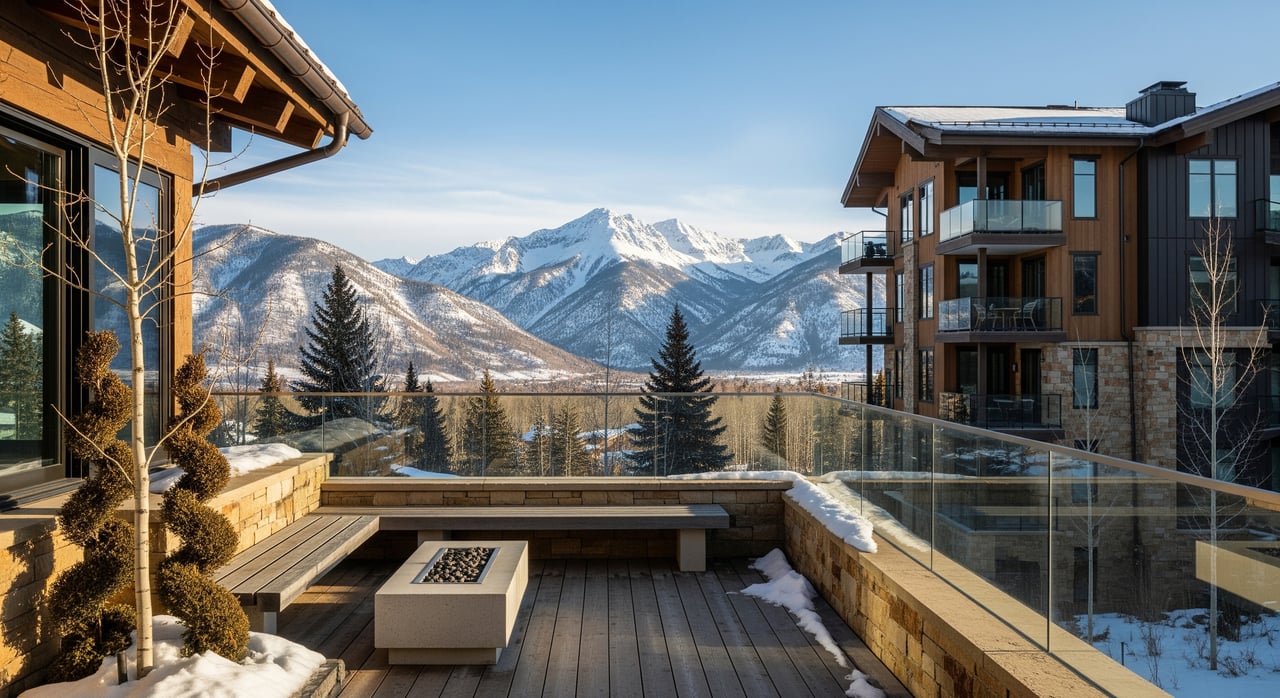
If you want a lock-and-leave base for frequent visits, a condo often makes sense. Many buildings sit close to downtown and Aspen Mountain, which keeps you steps from dining, shops, and lifts. On-site services can simplify ownership, though you trade some privacy and flexibility.
If you are relocating full time or want more space and control, a single-family home usually fits better. You gain bedrooms, storage, private outdoor areas, and flexible parking. You also take on maintenance and winter logistics that condos often handle through an association.
When a condo shines
- You prioritize walkability to the Aspen Gondola and core amenities.
- You want lower day-to-day maintenance and possibly on-site management.
- You plan occasional use and like the simplicity of a turnkey setup.
- You accept shared walls, association rules, and HOA fees.
When a house is best
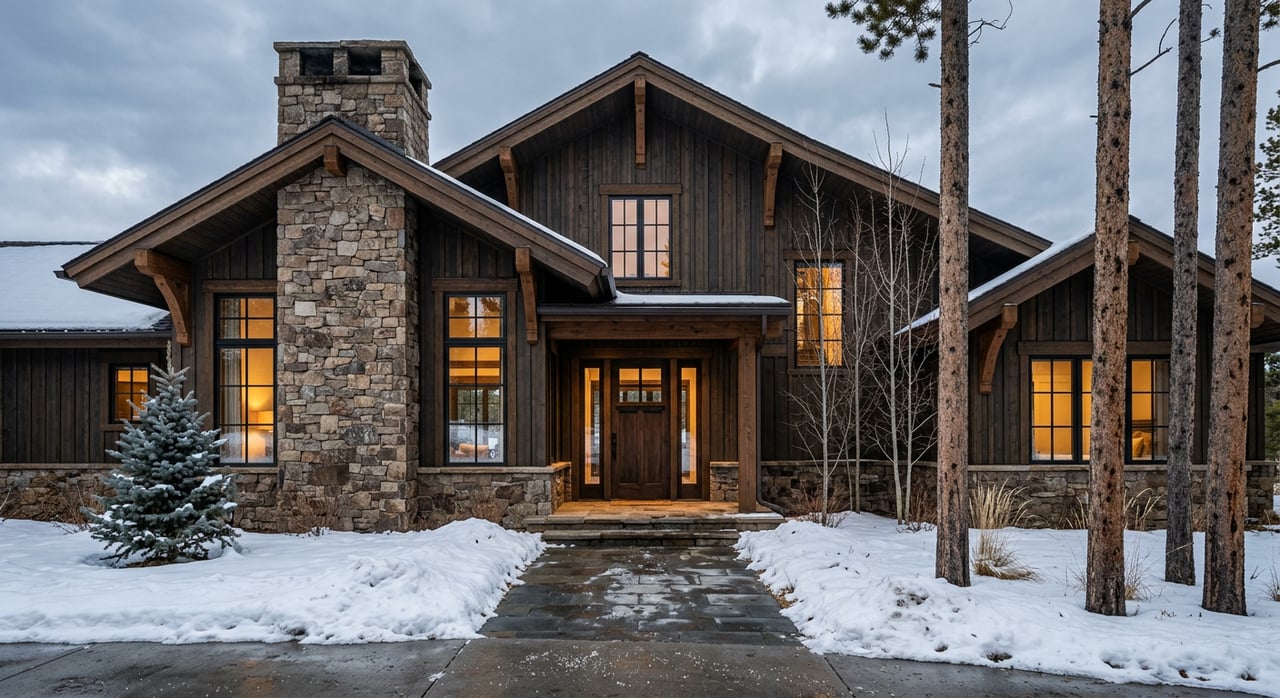
- You want privacy, a yard, and room for gear, pets, and vehicles.
- You need space for a home office, play areas, or multi-generational living.
- You prefer control over upgrades and maintenance timelines.
- You are comfortable managing snow removal, landscaping, and systems.
Market and financing realities
Aspen is a high-value resort market where land commands a premium. In-town single-family homes typically price well above condos in similar locations. Micro-location matters, including proximity to downtown, lift access, views, lot size, and privacy.
Financing differs by use. Lenders treat primary residences, second homes, and investment properties differently. Second-home and investment loans can require higher down payments and tighter underwriting. For condos, lender eligibility and project “warrantability” matter. Owner-occupancy ratios, any special assessments, and building approvals can affect loan options. Cash deals are common in resort markets, so be prepared with proof of funds if you plan to compete.
What it means for your budget
- Expect a meaningful price gap between houses and condos in top in-town locations.
- Verify whether a condo project meets lender guidelines before you fall in love with a unit.
- Review recent Aspen and Pitkin County market stats for up-to-date pricing context.
- Confirm assessed values and current mill levies with the Pitkin County Assessor if you want clarity on taxes.
Lifestyle and daily living
Walkability is a major Aspen value driver. Many condos sit close to restaurants, shops, and lifts, which cuts car use and simplifies winter routines. Single-family homes often trade that proximity for privacy and space in neighborhoods that sit slightly farther from the core.
Think about mountain-living details. Storage for skis, bikes, and seasonal gear, plus mudroom access, makes day-to-day life easier. In winter, heated garages or driveways can be a real advantage. Plan for snow storage and access if a home sits on a steeper or longer driveway.
Privacy, pets, and parking
- Condos: shared walls and common areas, possible pet restrictions, and assigned or shared parking. Ask about deeded spaces, guest parking, and storage.
- Single-family homes: more privacy, flexible pet options, garages, and driveways. Confirm winter vehicle access and where snow is stored on-site.
Ownership costs and responsibilities
With condos, you pay HOA dues that typically cover exterior maintenance, snow removal of common areas, building insurance under a master policy, and shared amenities. Fees vary widely by building and service level. Luxury complexes with concierge-style services or in-house rental programs often carry higher dues.
With single-family homes, you control maintenance and timelines. You will handle landscaping, exterior upkeep, snow removal, and all utilities. Many owners hire local vendors or management firms for winterization and ongoing care. That convenience comes with added recurring cost.
Reserves, assessments, and insurance
- Reserves and assessments: For condos, review the reserve study, budget, and any history of special assessments. Older resort buildings may require major exterior or mechanical updates.
- Insurance: Condo owners carry an HO-6 policy for interiors, personal property, and loss assessment. The association’s master policy covers the exterior and common areas. Homeowners carry comprehensive dwelling coverage for the structure, improvements, and personal property. Given high local construction costs and wildfire concerns, discuss coverage levels and riders with a local insurance specialist.
Taxes and utilities
Property taxes are based on assessed value. In a high-value market, the absolute tax bill can be significant. If you plan to rent, factor in lodging or tourism taxes and required licenses. For utilities, some condos include water, sewer, or common heating in dues. Homes bear all utility costs, and winter heating can be a meaningful line item.
Rental potential and rules
Aspen sees year-round demand, with peak seasons in winter and strong summer activity. That said, gross rental yields often look low relative to asset values. Many buyers focus on lifestyle use and long-term appreciation rather than cash flow alone.
Local short-term rental rules matter. The City of Aspen and Pitkin County require permits and licenses for certain rentals, and the rules can change. Some condo associations ban or restrict nightly rentals, while others run in-house programs with revenue sharing and usage limits. Non-compliance can carry fines or permit denial, so verify rules for your specific address and building before you buy.
Operating condos vs houses as rentals
- Condos: On-site management can streamline reservations, check-ins, and maintenance, but expect management fees and possible revenue splits. Buildings with front desks or concierge services may be more guest friendly.
- Single-family homes: Higher nightly rates are possible due to privacy and space. Management, cleaning, and turnover are more complex and can increase operating costs. Confirm parking, neighborhood quiet hours, and any guest behavior rules.
Neighborhood snapshots in Aspen
- Downtown and West End: Highly walkable with quick access to restaurants, shops, and Aspen Mountain. Condos are common, and smaller single-family homes appear in select blocks.
- East End, Red Mountain, South Aspen, Smuggler, and Highlands-adjacent areas: Often deliver larger lots, more privacy, and a higher share of single-family homes. These can be appealing for full-time living.
- Nearby alternatives: Snowmass Village and Woody Creek have distinct dynamics. Snowmass leans resort oriented, while Woody Creek offers a more rural setting.
Micro-location drives resale and lifestyle. Proximity to the Gondola, schools, and main streets is a frequent top priority. Confirm deeded parking, garage access, and off-site storage if you value gear-friendly living.
How to decide: a simple framework
- Clarify your primary use.
- Lock-and-leave, frequent visits: Prioritize walkability and on-site services. Condos often fit best.
- Full-time living or a larger household: Focus on space, storage, and privacy. Houses usually win here.
- Align financing with property type.
- If financing a condo, confirm project eligibility early. Ask about owner-occupancy ratios and any special assessments.
- If financing a house, plan for higher absolute purchase price and full insurance and utility profile.
- Model total annual cost, not just the mortgage.
- Include HOA dues, insurance, taxes, utilities, and management or snow removal.
- For potential rentals, net out management fees, taxes, and cleaning from expected revenue.
- Test the lifestyle before you buy.
- Stay near your target micro-neighborhood in peak winter and summer.
- Evaluate parking, snow logistics, and travel time to lifts, schools, and shops.
Due diligence checklist
For condos
- HOA documents: CC&Rs, bylaws, budgets, financials, reserve study, and meeting minutes for the past 12 to 24 months.
- Assessments and reserves: History of special assessments, future capital plans, and delinquency rates.
- Insurance: Master policy coverage, HOA deductibles, and your HO-6 loss assessment limits.
- Rental policy: Minimum stay rules, permit requirements, in-house rental program terms, and revenue splits.
- Systems and building condition: Roof, envelope, mechanicals, heating type, and any water intrusion history.
- Parking and storage: Deeded spaces, guest parking, bike and ski storage access.
For single-family homes
- Property details: Survey, boundaries, easements, access rights, drainage, and snow storage plans.
- Systems: Roof, foundation, heating, insulation, septic or sewer, and water rights if applicable.
- Fire and landscape: Defensible space, materials, and wildfire risk mitigation.
For both
- Short-term rental rules: Current city and county permits, license requirements, caps, and transferability.
- Taxes and fees: Property tax profile and any lodging or tourism taxes for rentals.
- Utilities: Metering, heating type, and cost allocation in condos.
- Comps: Recent sales and days on market in your exact micro-location.
Next steps with a local advisor
Your best choice depends on how you plan to live and use the property, your financing path, and your tolerance for maintenance. In Aspen, the details behind an address, a building’s HOA, and local rental rules can make or break the fit. A local advisor can surface risks early and help you compare true total cost of ownership.
If you want a clear, fast path through condos and single-family options in Aspen and nearby markets, connect with a broker who works both sides daily and understands project-level details and resale dynamics. Start the conversation with Mike Eaton to compare properties, verify rules, and move confidently toward the right fit.
FAQs
Are condos cheaper than single-family homes in Aspen?
- Generally yes in absolute purchase price, though both reflect resort-market values and location drives pricing.
Can I do short-term rentals in an Aspen condo?
- Possibly, but you must confirm the building’s rules and current City of Aspen and Pitkin County permit and licensing requirements.
Which option is better for a full-time family in Aspen?
- Single-family homes usually offer more space, storage, privacy, and flexibility, though larger condos or townhomes can work if walkability is the priority.
How do HOA fees affect returns if I rent?
- Higher HOA dues reduce net income, especially in luxury buildings with more services. Compare fees to realistic seasonal revenue.
Do I need special insurance for Aspen properties?
- Expect robust coverage tailored to high replacement costs and mountain risks. Condo owners carry HO-6 policies, while homeowners need comprehensive dwelling coverage and possible riders.