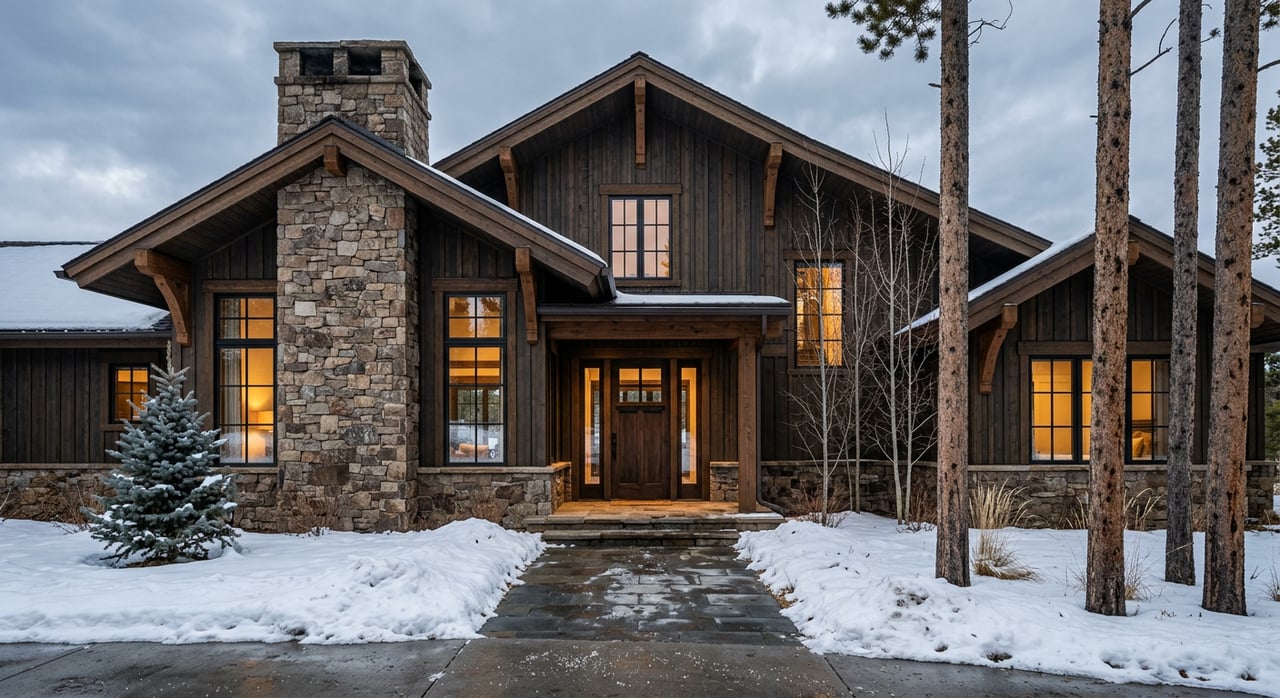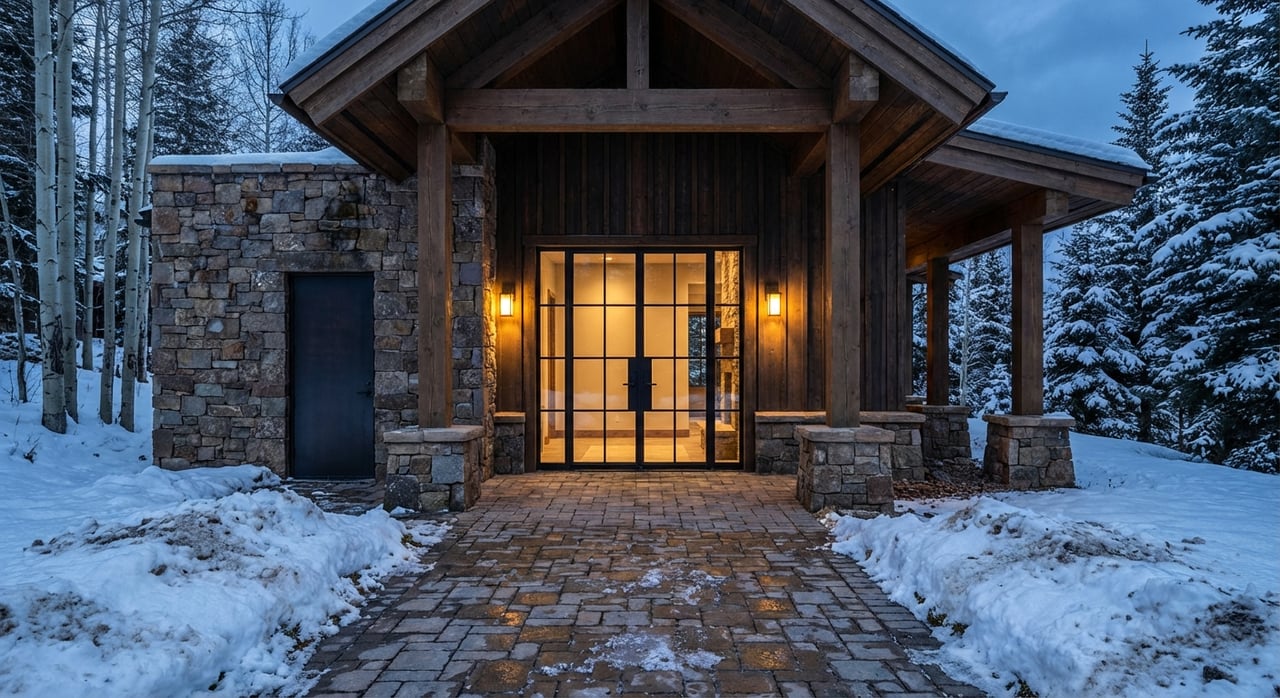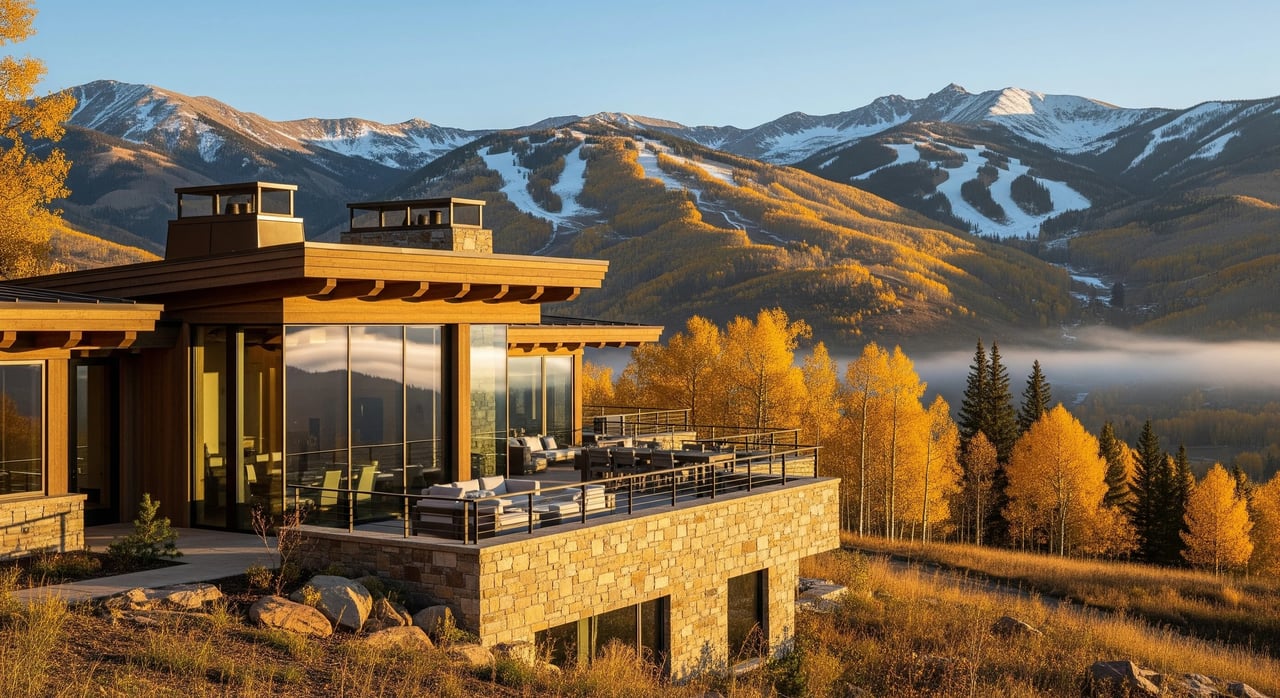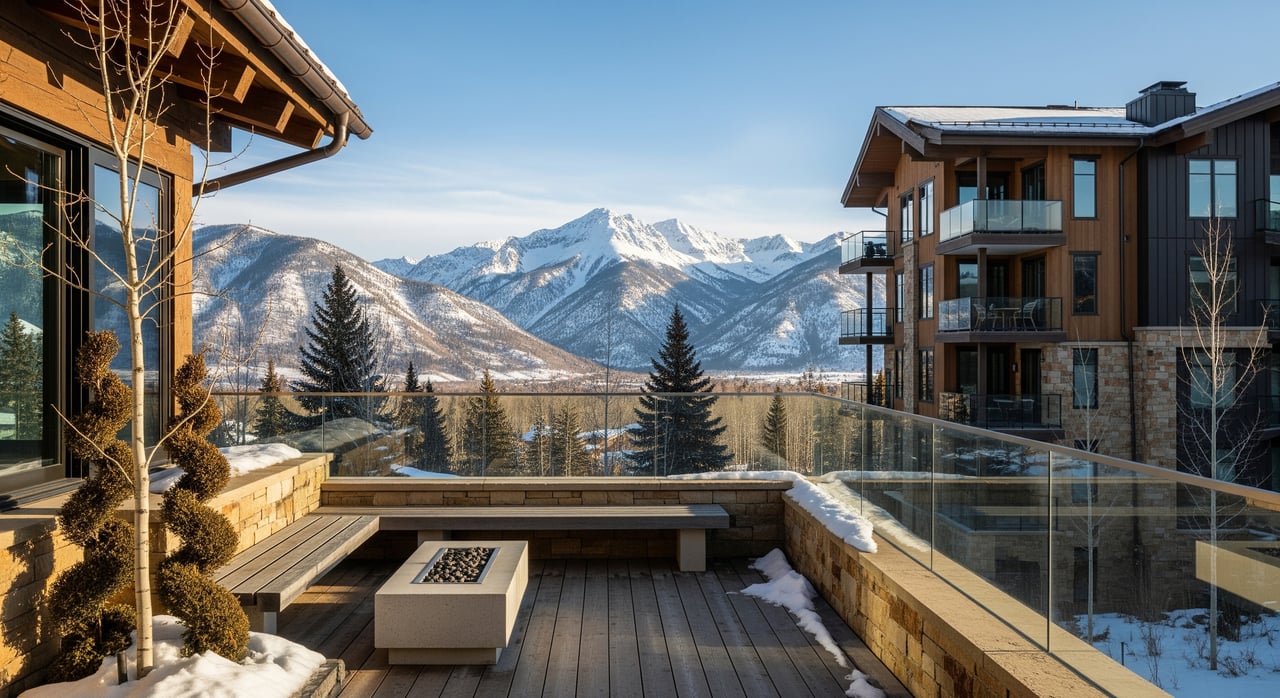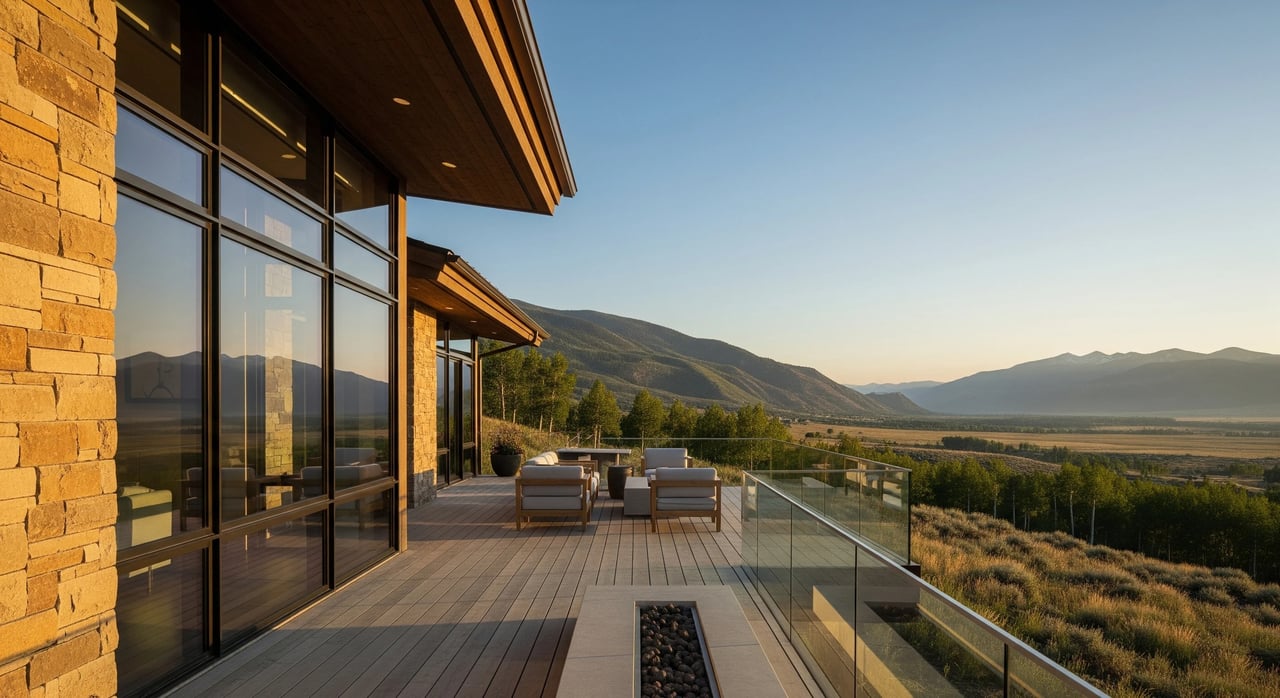
You want the wide-open feeling of Colorado living without being far from the Roaring Fork Valley. Missouri Heights sits on the ridges above the valley, offering views, space, and quiet that in-town neighborhoods rarely match. At the same time, ridge-top living comes with tradeoffs around access, utilities, and winter conditions. In this guide, you will learn what you gain, what you give up, how to plan commutes, and the steps to verify whether a home or parcel in Missouri Heights fits your life and budget. Let’s dive in.
Who Thrives in Missouri Heights
Second-Home Seekers
If you want privacy, room to spread out, and a quiet setting for seasonal use, Missouri Heights can work well. You get dark skies, big views, and easy access back down to the valley when you want dining, shopping, or events.
Local Move-Ups
If you live in the valley and want acreage, hobby agriculture, or simply fewer neighbors, the ridge makes sense. You will still head to town for groceries and services, so estimate your real drive times before you buy.
Remote Workers
If you can work from home and value calm, light, and scenery, you may love it. Just confirm internet speeds on site and be honest about how often you need to be in Glenwood Springs, Carbondale, Basalt, or beyond.
What You Gain
- Big-sky views and privacy on larger lots.
- Lower housing density and quiet nights with clear stars.
- Space for gardens, small animals, and accessory buildings on select parcels.
- Quick access to outdoor recreation like hiking, biking, and backcountry exploring.
What You Give Up
- Short drives to services. Groceries, restaurants, health care, and schools are down in the valley towns.
- Municipal utilities. Many homes rely on wells and septic systems rather than city water or sewer.
- Predictable winter travel. Wind, steep grades, and snow can slow access. Some driveways and roads need 4WD and winter tires.
- Plug-and-play connectivity. Cell coverage and internet speeds vary by location and provider.
Commute and Access Essentials
Road Types and Winter Access
Access typically includes a state or local highway, then county or private roads. Confirm whether the property has deeded, year-round access and whether the road is county maintained or handled by a private association. Winter conditions can affect timing, plowing costs, and safety. For current highway conditions and closures, check the CDOT COtrip traveler information.
How to Estimate Drive Times
Drive times depend on your exact homesite, destination town, traffic, and weather. To get realistic numbers, test routes with mapping apps during weekday rush hours and again on a winter morning. Ask locals and the listing agent about typical times in peak seasons. If medical access matters, note the nearest emergency services and hospital and time that route too.
Public Transit
Fixed-route public transit rarely serves ridge-top subdivisions directly. If you plan to rely on transit, confirm the nearest stops down in the valley and whether they align with your schedule.
Property Types and How They Live
Small-Acreage Homesites
Parcels in the 1 to 5 acre range often hold single-family homes, cabins, or modular structures. You get privacy and views with manageable maintenance, plus room for a garage or small barn depending on zoning and covenants.
Larger Rural Parcels
Five to 40 or more acres can feel like your own slice of the mountain. These properties may support accessory buildings and small-scale agriculture. Access, driveway length, snow removal costs, and utility runs matter more at this scale.
Older Cabins or Manufactured Homes
These properties can offer a lower entry cost. Plan for upgrades to systems, insulation, windows, or roofs. Verify permits for additions and outbuildings.
Newer Custom Homes
Recent build or remodeled homes often maximize views and energy performance. Expect private driveways, varied heating systems, and smart siting to block wind and capture sun.
Infrastructure Checklist
Water
Most homes use private wells or hauled water. Review the well permit, any historic water files, and request a pump test to confirm production and quality. If you plan irrigation or livestock, ask whether there are any separate surface water rights and how they are recorded.
Sewer
On-site septic systems are standard. Review permits, system age, and capacity. Ask for inspection reports and confirm there is a designated reserve area for future replacement. The county regulates septic permitting and inspections; find guidance via Garfield County Environmental Health.
Electricity, Heat, and Gas
Electric service is usually available, though some parcels require longer runs. Natural gas is often not installed on the ridge. Expect propane, electric, or wood heat. Ask for recent utility bills and propane delivery history to help model monthly costs.
Internet and Cell
Coverage is inconsistent by micro-location. Some owners use fixed wireless, satellite, or Starlink. Check provider availability and confirm measured speeds on site at the times you work or stream. You can also review availability using the FCC National Broadband Map, then validate in person.
Roads and Plowing
Confirm if roads are county maintained or private. If private, ask for a written road maintenance agreement or HOA plan. Snow removal responsibilities and costs should be clear before you buy.
Price and Value: How to Validate
You will see wide pricing swings based on acreage, views, access, and utility complexity. Instead of guessing from list prices, use a structured approach:
- Request recent sold comps from a local MLS searcher covering Missouri Heights and adjacent subdivisions. Ask to see lot-size-adjusted comps and a breakdown of days on market and list-to-sale ratios.
- Verify lot sizes, tax history, and legal descriptions using the Garfield County Assessor.
- For vacant land or off-market deals, check recorded covenants and any conservation easements through the Garfield County Clerk and Recorder.
- Compare price per acre for land and price per square foot for homes, but interpret both with care. Access quality, orientation, utility setup, and view corridors can outweigh simple averages.
- If rental income matters, confirm short-term rental rules in the applicable jurisdiction and HOA, then weigh historical occupancy patterns in the valley towns.
For questions about permitted uses, accessory buildings, or setbacks, consult Garfield County Community Development.
Risks, Hazards, and Insurance
Wildfire
Ridge-top settings often face higher wildfire exposure. Review hazard maps and defensible-space guidance, then budget for ongoing mitigation. Start with the Colorado State Forest Service wildfire mitigation resources, and ask the local fire protection district for site-specific recommendations. Insurance pricing and availability can vary by risk, construction type, and access, so shop insurers with mountain expertise early.
Slopes and Soils
Steep or complex terrain can require engineering for foundations, drainage, and erosion control. If you plan construction or expansion, a geological or soils evaluation is smart due diligence.
Flooding and Avalanche
Ridge parcels are typically outside valley floodplains. Still, localized drainage or gullies can move water and debris during spring runoff or big storms. On steep, snow-loaded slopes, ask about any avalanche exposure and confirm with local authorities if relevant.
Your Due Diligence Game Plan
Use this concise checklist to make a clear, confident decision:
- Title and access
- Confirm deeded access and any easements or rights of way.
- Verify whether roads are public or private and get maintenance agreements in writing.
- Utilities and infrastructure
- Water: well permit, well log, and pump test. If hauled water, confirm delivery options and costs.
- Septic: permits, inspection, system age, and reserve area.
- Electricity, propane, heating systems: age, capacity, recent bills.
- Internet and cell: test on site for your carrier and devices.
- Permits and approvals
- Building permits for all structures and additions. Check for unpermitted work.
- Setbacks and site constraints such as steep slopes or wetlands.
- Environmental and hazards
- Wildfire defensible space plan and mitigation needs.
- Geological or soils assessment if building or expanding.
- Neighborhood rules and HOA
- CC&Rs, fees, assessments, and enforcement practices.
- Local services
- Confirm fire protection district, trash pickup option, mail delivery method, and school district boundaries if relevant to your household.
- Market and resale
- MLS comps, average days on market, and seasonal demand patterns for ridge properties.
- Cost projections
- Road maintenance share, insurance, utility delivery fees, septic pumping, and snow removal.
Local Resources
Use these primary sources to verify the details that matter to you:
- Garfield County Assessor for parcel data, taxes, and valuations.
- Garfield County Clerk and Recorder for deeds, easements, and recorded covenants.
- Garfield County Community Development for zoning, building, and land use.
- Garfield County Environmental Health for septic permits and inspections.
- CDOT COtrip for travel and road conditions.
- Colorado State Forest Service for wildfire and defensible space guidance.
- FCC National Broadband Map to check reported internet options, then test on site.
- Roaring Fork Conservancy for regional watershed and recreation context.
Is Missouri Heights Right for You?
If you treasure big views, starry nights, and room to breathe, Missouri Heights delivers. You will trade shorter commutes and municipal utilities for privacy, acreage, and a quieter daily rhythm. The key is confirming access, utilities, and true connectivity at the specific property you are considering, then aligning those realities with your lifestyle and budget.
If you want a clear picture of the market and which parcels or homes truly fit your goals, connect with a local guide who lives and works the Roaring Fork Valley. For a tailored search, thorough due diligence, and calm, data-driven advice, reach out to Andrew Albee.
FAQs
Is Missouri Heights Suitable for Short-Term Rentals?
- Rules vary by parcel and subdivision. Confirm zoning and any CC&Rs, verify septic capacity and parking, and review county requirements with Garfield County Community Development.
How Reliable Is Internet for Remote Work on the Ridge?
- It varies by micro-location. Check the FCC National Broadband Map, contact local wireless ISPs, and test speeds on site at times you work or stream. Some owners use satellite options like Starlink.
What Should I Budget for Utilities and Maintenance in Missouri Heights?
- Ask for recent electric bills and propane delivery history, add septic pumping and inspections, any hauled water costs, plus a share of private road maintenance and snow removal. Insurance can vary with wildfire risk and access.
How Do I Confirm Year-Round Access Before I Buy?
- Verify deeded access in the title report, review recorded road maintenance agreements, talk to neighbors about winter conditions, and use CDOT COtrip for broader road and weather patterns.
What Drives Resale Value for Ridge-Top Homes Above the Roaring Fork Valley?
- Views, access quality, buildability, and utility setup are major drivers. Use MLS comps, confirm parcel details with the Garfield County Assessor, and weigh CC&Rs or easements recorded with the Clerk and Recorder.