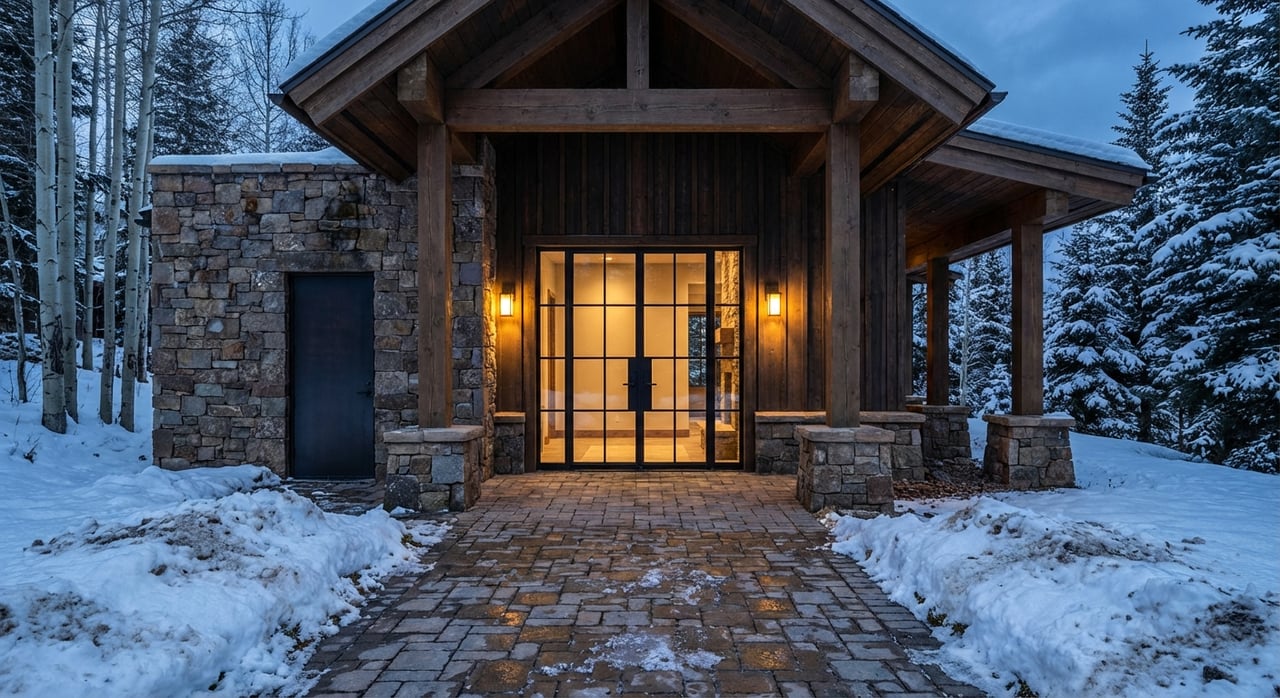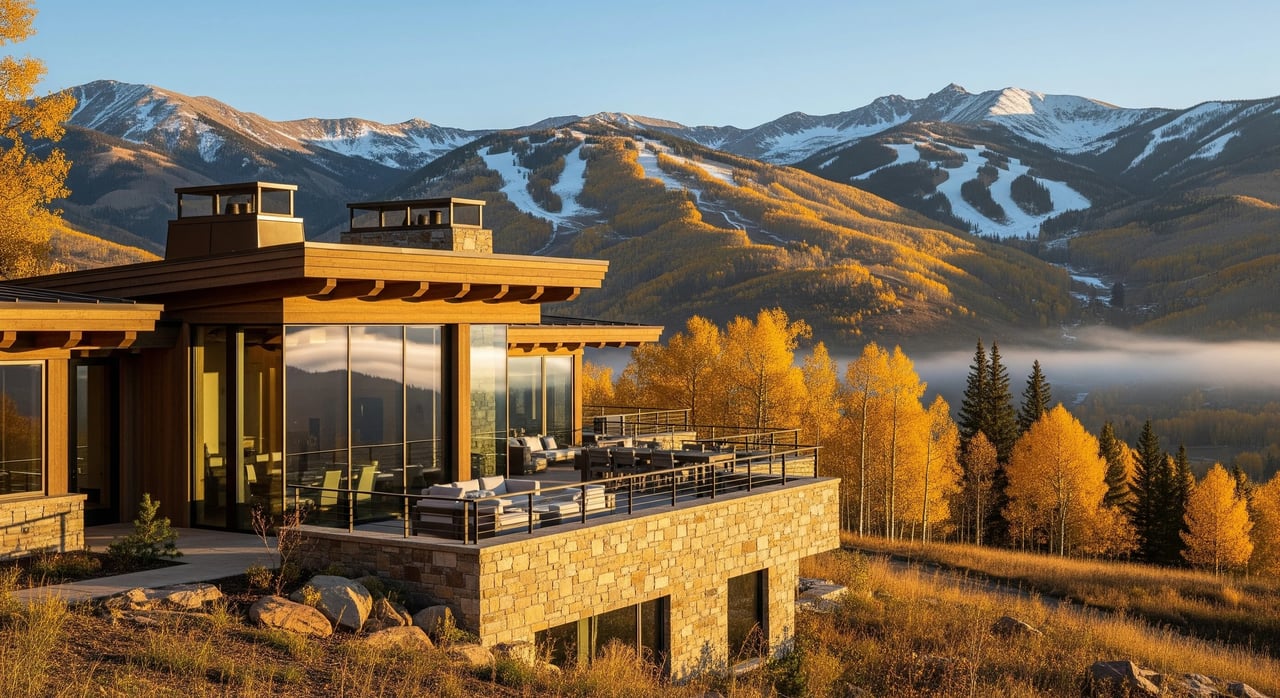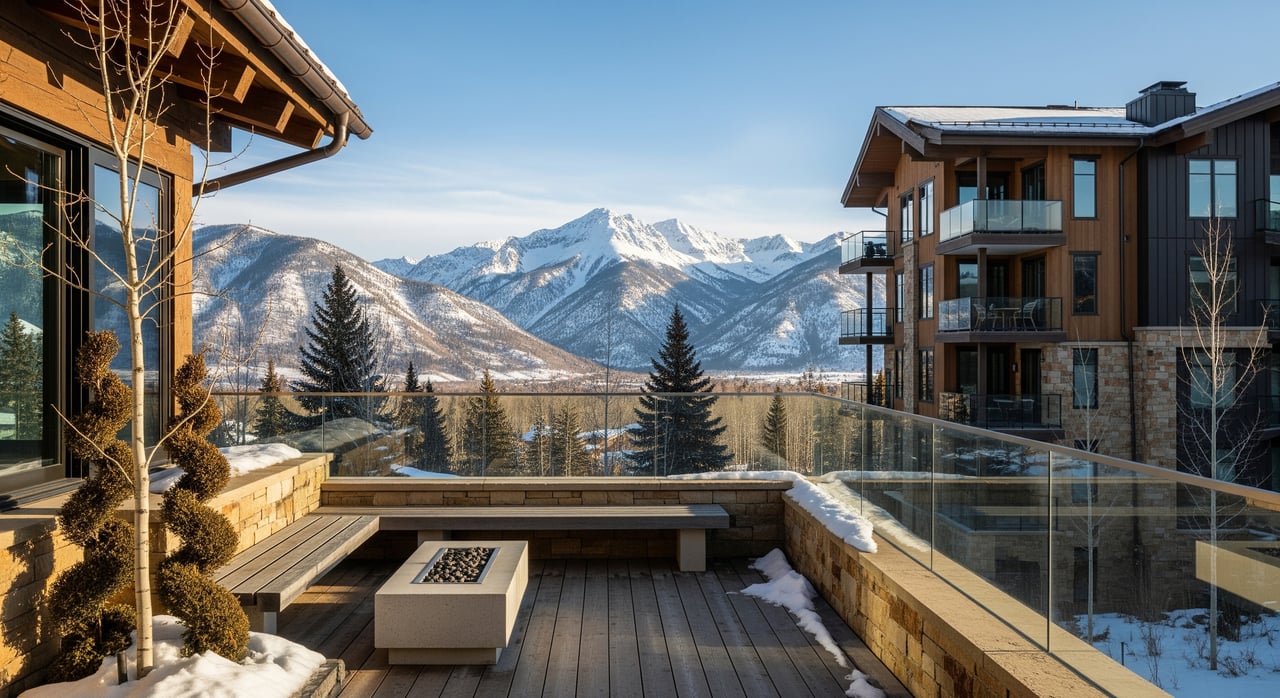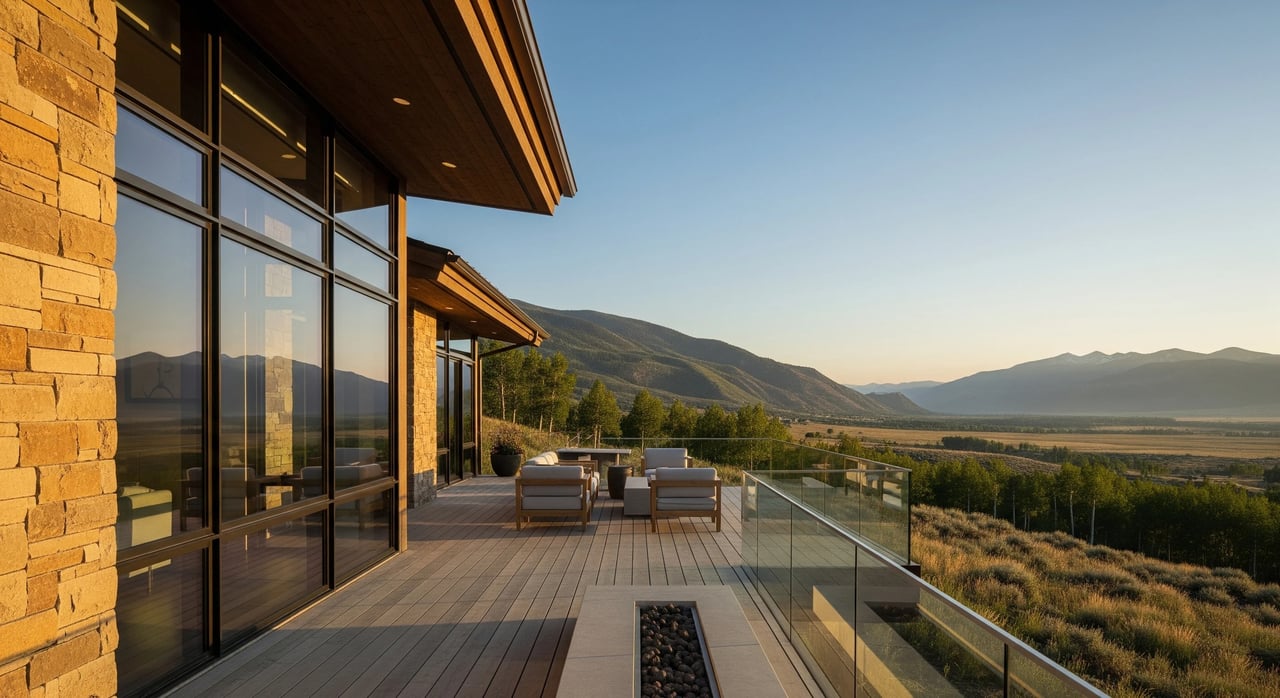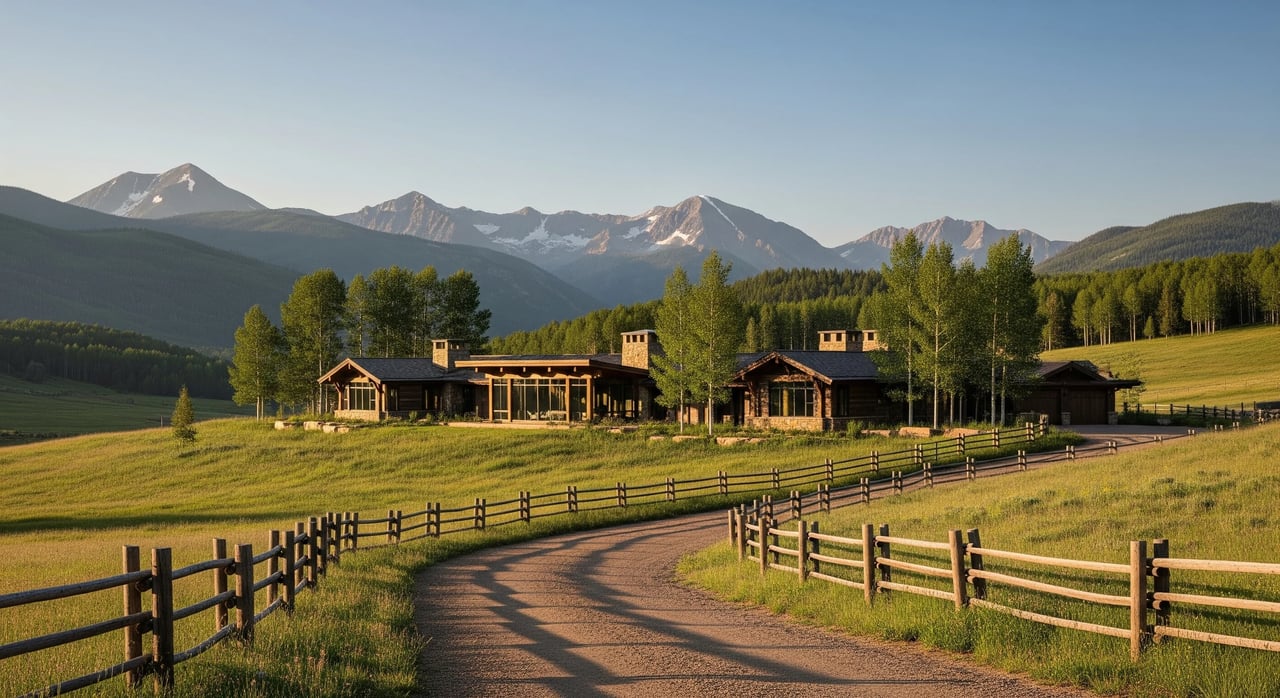
Dreaming of wide-open views, elbow room, and privacy close to Aspen and Snowmass? If Old Snowmass is on your radar, you’re looking in the right place. Acreage here can deliver a true mountain lifestyle, but buying rural land works differently than buying an in‑town home. You want clear answers on access, water, septic, utilities, and what you can build.
This guide gives you a practical framework to evaluate acreage in the 81654 ZIP of Pitkin County. You’ll learn what to check, who to call, and how to avoid costly surprises. Let’s dive in.
Why Old Snowmass Acreage
You’re in unincorporated Pitkin County, minutes from Snowmass Village and Basalt, with parcels that range from small lots to multi‑acre ranch settings. Some properties have paved access and nearby utilities. Others are more remote and rely on private roads, wells, and onsite wastewater.
The upside is privacy and landscape. The tradeoff is homework. Your goal is to confirm year‑round access, a reliable water source, viable septic, and a path to any structures you plan to add.
Access and Winter Roads
Access drives everything about how you use the land. In winter, snow, ice, grades, and curves matter as much as miles.
County or Private Road
- Confirm if the access road is maintained by Pitkin County or is private.
- Ask the county for the road classification and what they plow or repair.
- If private, identify who does maintenance, what is covered, and how costs are shared.
Road Agreements and Easements
- Look for recorded ingress and egress easements in the title work.
- Review any road maintenance agreement or HOA covenants. Make sure obligations and cost sharing are clear.
- Note any gates and seasonal restrictions written into the easement terms.
Winter Realities
- Plan on 4WD, winter tires or chains, and a plowing plan.
- Check width, turning radius, and turnarounds for fire trucks, ambulances, and plows.
- Ask about steep or shaded sections that stay icy and any stretches prone to drifting.
Bridges and Stream Crossings
- Verify ownership, weight limits, and maintenance responsibility for bridges or culverts.
- Replacement can be expensive. Confirm reserves or cost‑share plans if multiple owners rely on the structure.
Costs to Expect
- Private plowing contracts, grading, culvert clearing, and gravel repair vary by distance and elevation.
- Road associations or HOAs may collect dues for seasonal work and long‑term reserves.
Water and Wells
In Colorado, water rights are separate from land ownership. Many Old Snowmass parcels use private domestic wells or shared wells. You need to verify permits, production, and quality.
Permits and Records
- Request the well permit and any well log from the seller.
- Confirm the permit and details with the Colorado Division of Water Resources.
- If drilling a new well, know that permits are required and approvals can take time.
Performance and Water Quality
- Ask for static water level, depth, pump depth, and yield in gallons per minute.
- Test water for bacteria, nitrate, pH, hardness, and naturally occurring elements that can appear in mountain groundwater.
- Repeat testing after closing if you plan to occupy the home full time.
Shared Wells
- Review the recorded shared well agreement. Look for maintenance, replacement, costs, and access language.
- Shared setups can affect financing and insurance. Get clarity early.
Surface Water and Irrigation
- If a parcel uses a ditch or spring for irrigation, verify membership or diversion rights with the relevant company or records.
- Surface water rights are independent and need separate confirmation.
Potential Constraints
- Some areas have limited groundwater or require deep drilling.
- New permits may face restrictions in over‑appropriated basins or require augmentation. Confirm feasibility before you rely on new supply.
Septic Systems
Most rural properties here use onsite wastewater treatment systems. Septic feasibility and condition will shape what you can build and how you use the property.
Permitting and Soils
- Pitkin County permits onsite wastewater systems under state standards.
- New systems need a soils evaluation and site plan that meets setbacks from wells, streams, and property lines.
System Types
- Conventional gravity systems are preferred where slopes and soils allow.
- Mound or engineered systems, including aerobic treatment units, are used when soils are shallow, slopes are steep, or groundwater is high.
Maintenance and Lifecycle
- Ask for inspection reports and pumping history.
- Tanks need regular pumping. Drainfields fail if overloaded or compacted.
- Replacement or upgrades can be seasonal and costly depending on site conditions.
Expansion and ADUs
- Adding bedrooms or an accessory dwelling can trigger a septic upgrade.
- Drainfield size, setbacks, and slopes can limit where new buildings fit.
Zoning and Outbuildings
Many buyers want barns, workshops, or a guest house. Zoning, setbacks, wildfire design, and utility routing will frame your options.
Zoning and Uses
- Pitkin County’s land use code controls permitted uses, lot coverage, and accessory structures.
- Verify the parcel’s zoning and any overlays such as floodplain or conservation.
Building Permits
- Most permanent structures require permits and inspections.
- Very small or agricultural structures can have different thresholds. Confirm specifics with the county before you build.
Setbacks and Design
- Expect setbacks from property lines, roads, streams, and wells.
- Mountain design standards address snow load, foundation design, and roof details.
Wildfire‑Resilient Choices
- Fire‑resistant roofing, ember‑resistant vents, and non‑combustible siding improve resilience.
- Plan for defensible space around structures as guided by local fire authorities.
Utilities for New Buildings
- Power may require line extensions or transformer upgrades.
- New bedrooms or habitable space can require septic upgrades and water capacity review.
- Driveway changes and grading may need permits for erosion and stormwater control.
Site Risks and Insurance
Mountain parcels have unique hazards. A quick screening up front helps you budget and insure properly.
Wildfire Risk
- Review county wildfire hazard maps and ask the local fire district about mitigation.
- Some lenders and insurers may require or price in mitigation.
Floodplain and Wetlands
- Check FEMA flood maps and county floodplain designations.
- Riparian setbacks protect streams and can limit building locations.
Slope, Soils, and Erosion
- Steep or unstable soils increase foundation and drainage costs.
- A geotechnical report is wise for steeper sites or where bedrock is shallow.
Avalanche and Rockfall
- For mountainside parcels, evaluate historic paths and slope orientation with county resources or an engineering consultant.
Mineral Rights
- Mineral ownership can be separate from surface ownership in Colorado.
- Ask title to confirm what mineral rights transfer and if any leases exist.
Insurance Checks
- Wildfire exposure, distance to services, and private roads can affect premiums.
- Speak with an insurance broker during your diligence, not after.
Utilities and Connectivity
Service availability varies across Old Snowmass. Confirm details for the exact address.
Electric Power
- Holy Cross Energy serves much of the Roaring Fork Valley.
- Ask about capacity, line extensions, and any cost‑share for new service.
Heat and Fuel
- Many rural parcels do not have natural gas.
- Plan for propane or electric heating. Confirm tank placement and delivery access if using propane.
Internet and Cell
- Broadband can range from cable or fiber in some corridors to fixed wireless or satellite for remote sites.
- Topography affects cell coverage. Verify speeds and reliability with providers.
Trash and Mail
- Some addresses rely on private trash hauling or transfer stations.
- Centralized mailboxes are common in rural areas.
Due Diligence Checklist
Use this checklist during your inspection period to protect your timeline and budget.
Documents to Request
- Current plat or survey with easements and topography
- Preliminary title commitment with recorded easements and road agreements
- HOA or road association bylaws, covenants, and budgets if applicable
- Well permit, well log, and recent water quality tests
- Septic permit, soils report, maintenance and pumping records
- Building permits and inspection records for existing structures
- Floodplain, wildfire hazard, and geologic hazard maps for the parcel
- Mineral rights reservations or leases disclosed in title
Questions to Ask
- Who maintains the access road, how is snow removal handled, and how are costs shared?
- What is the well’s depth, yield, and water quality history? Is there a shared well agreement?
- When was the septic installed and last serviced? Any failures or repairs?
- Are there any open permits or code issues?
- Do covenants limit outbuildings, livestock, or short‑term use?
- What utilities are at the lot line and what will extensions cost?
- Is the parcel in a mapped flood or wildfire hazard area?
- Do any mineral rights transfer with the sale?
Specialists to Involve
- Local real estate agent experienced with rural Pitkin County parcels
- Title company or real‑estate attorney for easements and mineral rights review
- Licensed well driller or hydrogeologist for well testing and feasibility
- Septic designer for system inspection or design options
- Civil or geotechnical engineer for steep slopes or suspect soils
- Surveyor to confirm boundaries, easements, and topography
- Local builder and county permitting staff for build scope and timeline
- Fire district or Colorado State Forest Service for mitigation guidance
- Insurance broker to quote coverage early
Timelines and Costs
- Permits for wells, septic, and buildings can take weeks to months.
- Installation and earthwork are seasonal in mountain climates.
- Costs vary widely by site. Get quotes during contingencies so you can adjust or renegotiate if needed.
Next Steps and Local Help
Buying acreage in Old Snowmass works best when you verify access, water, and wastewater before you fall in love with a view. Map out what you want to build, line up the right specialists, and confirm the true cost of getting services to your site. With a clear plan, you can enjoy the privacy and space you came for.
If you want a curated list of viable parcels and an organized diligence plan, connect with Andrew Albee. You will get local insight, practical checklists, and introductions to trusted specialists so you can move forward with confidence.
FAQs
What Should I Check First When Buying Acreage in Old Snowmass?
- Start with year‑round legal access, well permits and water quality, septic feasibility or records, and any zoning limits that affect your plans.
How Do Private Road Agreements Work in Old Snowmass?
- Agreements outline who maintains the road, how snow removal and repairs are funded, and each owner’s access rights. Confirm the recorded document in title.
What Water Testing Is Recommended for Old Snowmass Wells?
- Test for bacteria, nitrate, pH, hardness, and naturally occurring elements that can appear in mountain groundwater, and retest after closing if you will occupy full time.
Can I Add a Guest House or Barn on Old Snowmass Acreage?
- It depends on zoning, lot coverage, setbacks, septic capacity, and access. Confirm all with Pitkin County before design or purchase.
What Septic Issues Are Common on Rural Pitkin County Parcels?
- Older systems may lack records, and steep slopes or shallow soils can require engineered solutions. Plan for inspection and possible upgrades.
How Does Wildfire Risk Affect Insurance in Old Snowmass?
- Higher wildfire exposure can raise premiums or require mitigation. Engage an insurance broker early and plan defensible space around structures.
Is Natural Gas Available on Old Snowmass Properties?
- Many parcels do not have gas service. Most owners heat with propane or electric, so confirm fuel type, delivery access, and costs.
Who Provides Electricity to Old Snowmass Addresses?
- Holy Cross Energy is the primary electric provider in the Roaring Fork Valley. Ask about capacity and any costs for line extensions or upgrades.