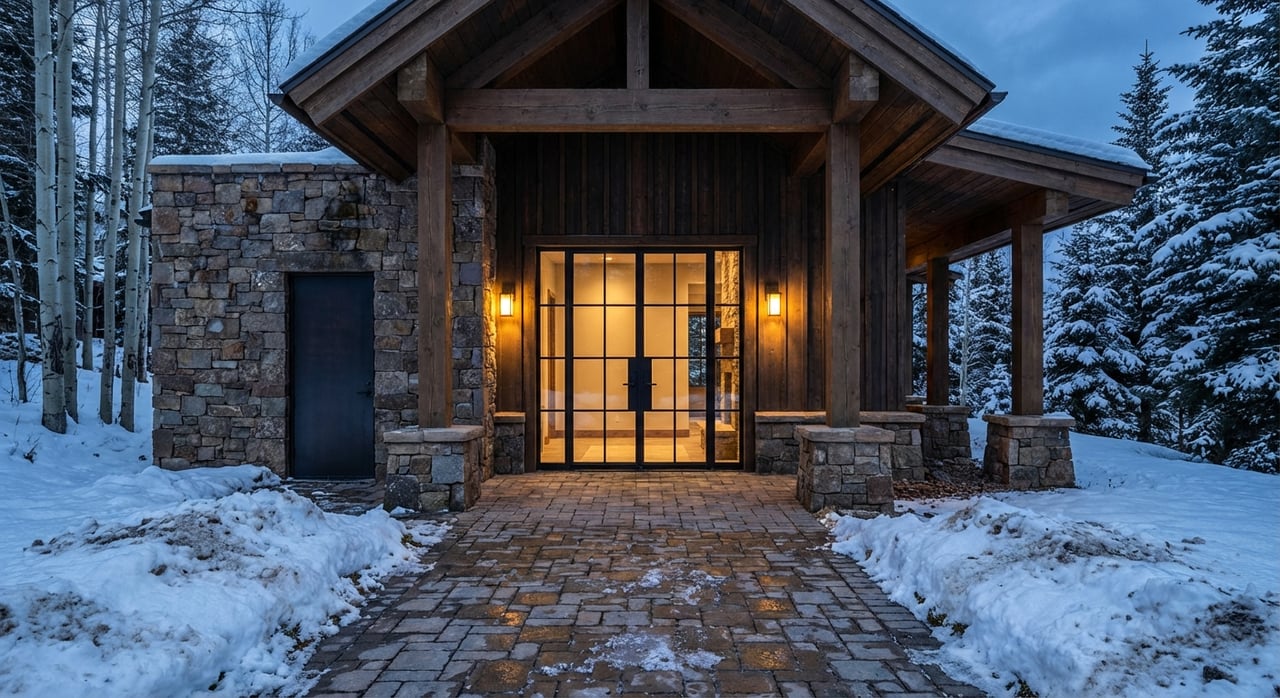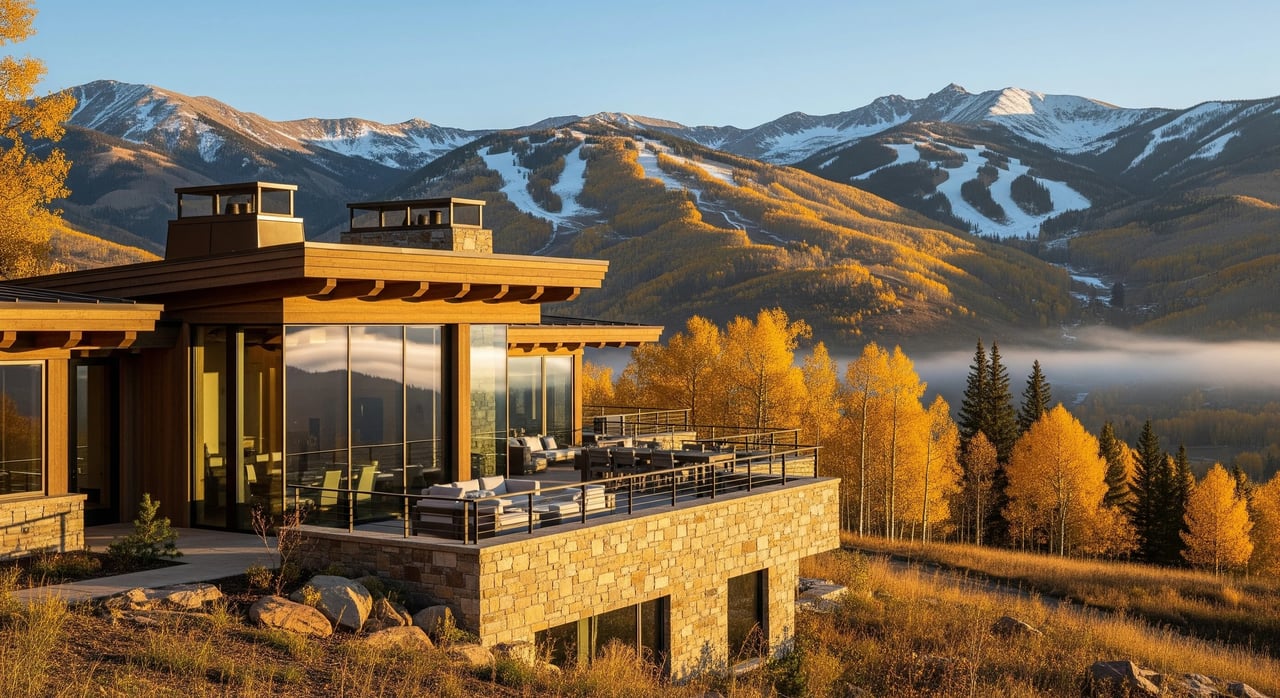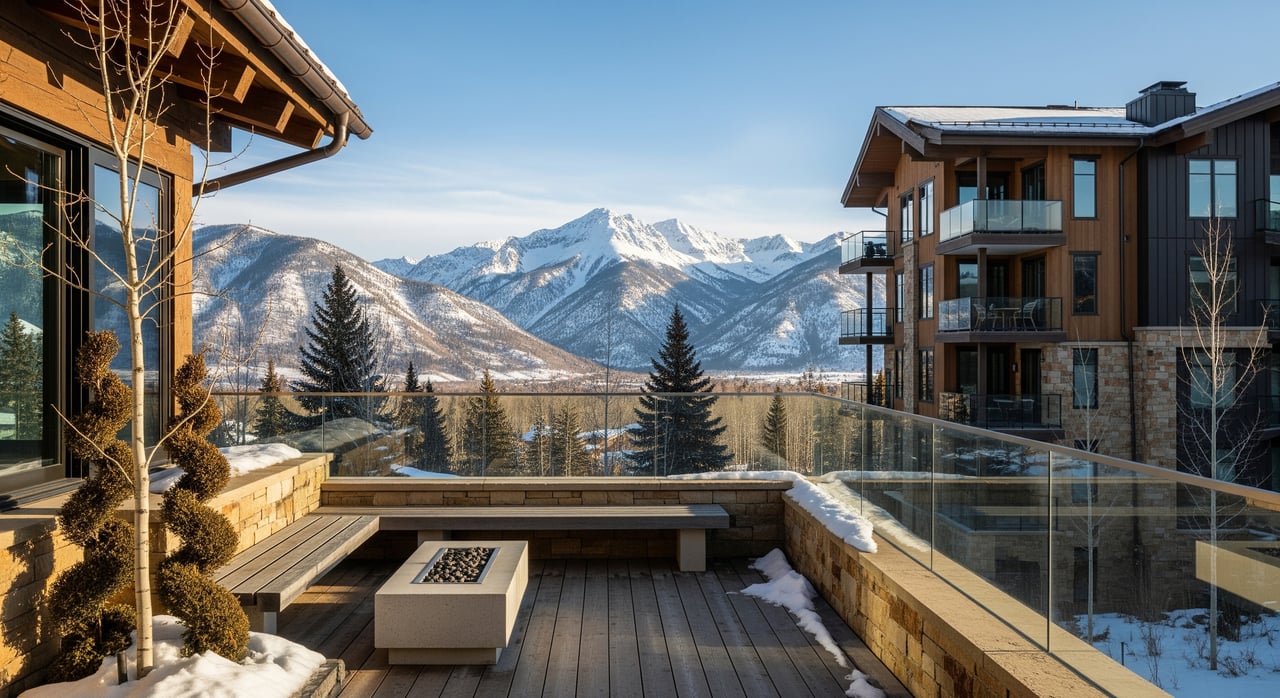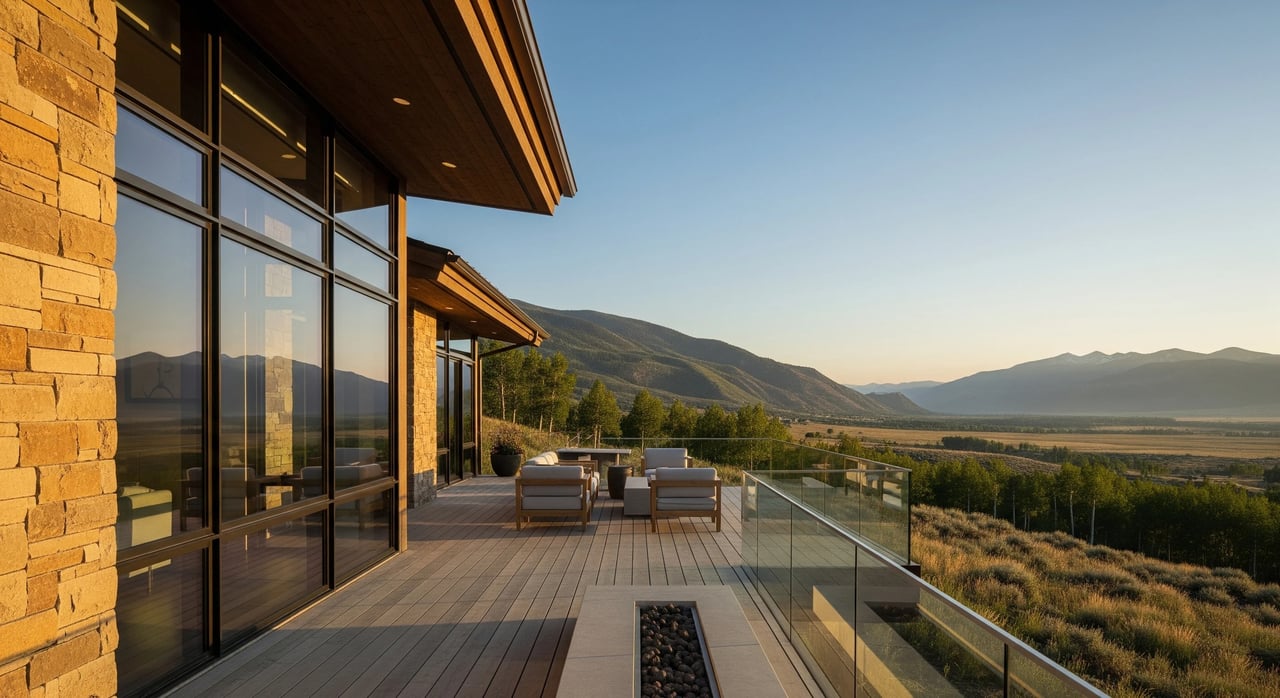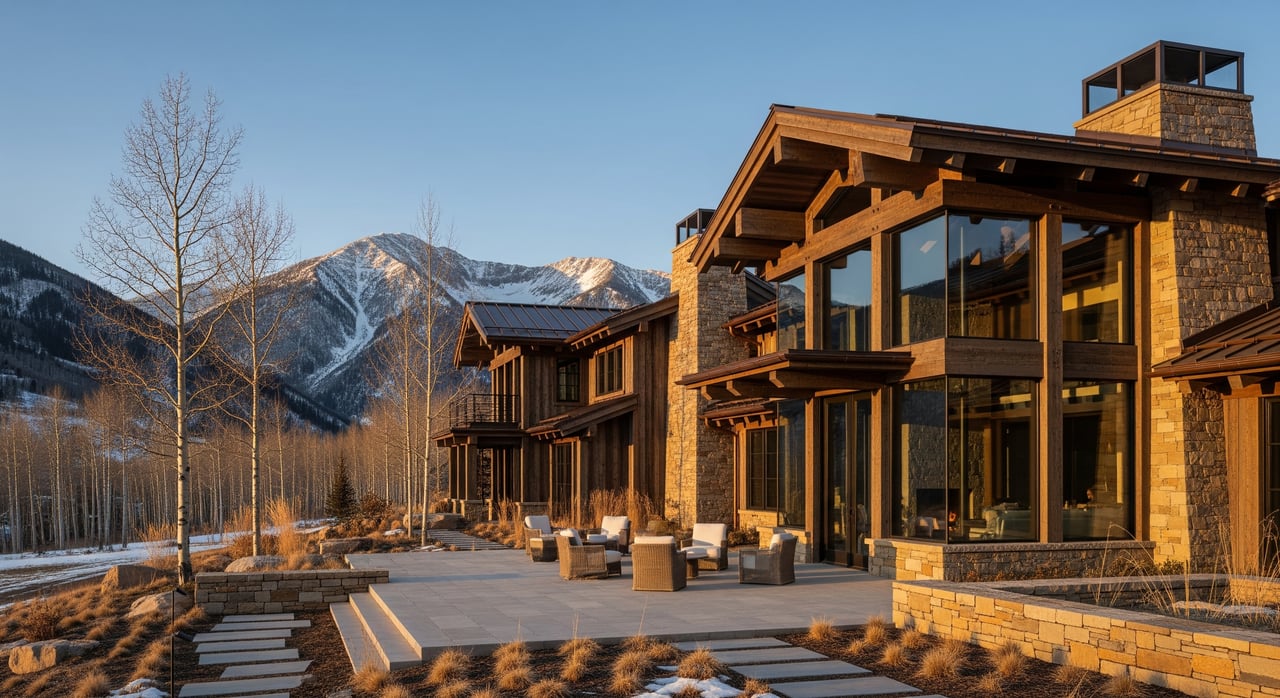
Is your Aspen property truly comparable to anything else on the market? In a place where ski access, designer pedigree, and views can swing value by millions, pricing a luxury home is as much art as it is data. You want a number that respects your home’s uniqueness without sitting on the market. This guide gives you a clear, step-by-step process to set a smart list price, build negotiation bands, and position your home to sell in Aspen’s one-of-a-kind luxury market. Let’s dive in.
Aspen market basics you need to know
Aspen is a small, high-value market with limited inventory and fewer annual transactions. One standout sale can shift the tone for a whole neighborhood. That thin data makes disciplined pricing more important.
Buyer demand is seasonal. Winter brings motivated ski-focused buyers, while summer attracts outdoor and culture-driven purchasers. Many top-end sales involve high-net-worth and ultra-high-net-worth buyers, and a meaningful share are all-cash or use financing with bespoke underwriting.
Unique features matter more here than in larger markets. Private ski access, proximity to the Silver Queen Gondola, marquee architects, notable ownership history, and unobstructed mountain or town views all create premiums. Local rules, like short-term rental licensing and historic area guidelines, also affect value and timing.
Build your baseline with comps
Start with closed sales from the Aspen MLS. Pull the best 3 to 6 comps from the past 6 to 18 months. If your property is truly unique, extend to 24 to 36 months and adjust for market movement.
Prioritize comps that align on micro-location, lot size, gross living area, bedroom count, garage and parking, and view corridor. Treat ski access with precision. “Direct ski-in/ski-out” is not the same as “walk to gondola,” and the value difference is material.
Document your adjustments clearly. In Aspen, you will make larger qualitative adjustments than you might in bigger cities. That is normal, but your reasoning must be transparent and defensible.
When comps are scarce
Blend methods to fill gaps. Use neighborhood price-per-square-foot trends, lot or acreage pricing, and replacement cost as cross-checks. Explain how each method influences your band and where you made conservative assumptions. This will help buyers and appraisers understand your position.
Layer Aspen-specific premiums and discounts
Provenance and design pedigree
Provenance can carry real weight. A home by a recognized architect, with awards or media coverage, or with notable former ownership can justify a premium. Keep the valuation conservative and tie it to other “named” sales when possible. Proof matters, so gather articles, awards, or architect documentation.
Ski access clarity
Ski access is one of Aspen’s highest-value attributes. Differentiate between direct ski-in/ski-out, deeded or private easements, walking distance to the gondola, and shuttle-dependent access. Verify and document any legal easements and maintenance obligations. A claim that cannot be proven can derail deals or reduce appraisals.
Views and setting
Unobstructed views of Aspen Mountain, the gondola line, or the town core often command a premium. Be specific about the view corridor and seasonality, and note how sun exposure, privacy, and outdoor living areas interact with the view. Buyers will pay for views that they can live in day and night.
Architecture, systems, and amenities
High-end materials, bespoke millwork, recent mechanical upgrades, and mountain-living amenities add measurable value. In Aspen, buyers look for heated driveways and walkways, robust HVAC, integrated home automation, secure gear storage, spa features, and covered outdoor living. Condition can swing price significantly because repairs at elevation are costly and complex.
Lot, privacy, and outdoor assets
Large, private lots and ridgeline settings trade at a premium. In-town convenience can also command pricing power for the right buyer pool. Consider wildfire risk, water rights, and whether the property uses municipal services or septic. These items influence value and should be disclosed.
Income potential and STR rules
Short-term rental licensing and historical rental income can influence valuation, especially for investor-minded buyers. In the luxury tier, lifestyle often outweighs yield, but clarity on STR eligibility and performance still matters. Confirm City of Aspen and Pitkin County rules and keep documentation organized.
Create pricing bands that work
Use bands to anchor your strategy and guide negotiations. Each band reflects a different balance of urgency, exposure, and risk.
- Aspirational Price: The high watermark based on best-case assumptions for provenance, access, and condition. This is useful if you want to test the market or expect multiple bidders in peak season. Expect a longer time on market and narrower buyer pool.
- Target or Competitive Price: The recommended list that attracts qualified luxury buyers while leaving room to negotiate. This band typically aligns with your most defensible comp-adjusted analysis. It balances speed and value.
- Resistance or Compromise Band (your floor): The level where you would accept an offer quickly after accounting for costs. Use this to steer counteroffers and avoid reactive decisions.
- Appraisal-Aware Price: The level that aligns with likely appraisal outcomes for financed buyers. If your buyer pool includes financing, do not list far above where an appraisal might land.
Document the assumptions behind every band. In Aspen, the spread between aspirational and target can be wide for one-of-a-kind homes. Your notes will help keep your team aligned and protect your leverage in negotiation.
Time your listing for buyer demand
Winter and early spring create urgency among ski-focused buyers. If your home has direct ski access, timing your debut to the heart of ski season can justify a tighter pricing stance.
Summer also delivers serious buyers, especially for homes with outdoor living and long views. If your home shines in summer light, showcase it then and lean into lifestyle media.
For especially high-profile properties, consider a brief pre-market phase. A whisper listing to a targeted pool can test price and messaging before going fully public.
Negotiate with clear expectations
Luxury transactions often include appraisal gaps. Be prepared for offers above what a bank might appraise and expect discussions about buyer cash to bridge any shortfall.
Inspections focus on big-ticket systems and wildfire mitigation. Many sellers address issues pre-listing or budget for credits. For a smoother process, compile invoices, permits, and warranties ahead of time.
Closing timing is a lever. Flexibility can win price. High earnest money deposits are common at this level and signal seriousness.
Some buyers prefer private negotiations. Weigh the tradeoffs between public exposure and targeted approaches based on your price band and timeline.
Prepare for due diligence and reduce risk
Appraisals can lag negotiated prices when comps are thin. Support value with a full upgrade dossier: invoices, permits, designer specifications, and architect credentials. Provide additional comparables and cost analyses to the appraiser when appropriate.
Cash is common at the top end and removes financing contingencies, but inspections and title review still matter. For financed buyers, look for lenders experienced with mountain luxury and unique property types.
Title and easements require special attention. Confirm ski easements, shared driveways, access roads, conservation easements, and any historic designations that limit redevelopment. Clear documentation supports value and speeds closing.
Track operating costs and taxes. Gather recent property tax assessments, HOA statements, and insurance details. Buyers consider the full cost of ownership when deciding how aggressively to bid.
Confirm local regulations. Short-term rental licensing, zoning limits, and renovation permit history all influence value and days on market. Missing permits can reduce offers or require concessions.
A practical checklist to set your price
- Pull 6 to 12 months of closed comps plus active and pending listings from the Aspen MLS.
- Retrieve tax and deed records from Pitkin County sources to confirm legal descriptions and history.
- Compile renovation invoices, permits, mechanical system details, roof age, and structural documentation.
- Inventory unique attributes including provenance, architect, verified ski access, and view corridors. Gather supporting proof.
- Get a local broker price opinion and consult appraisers with Aspen luxury experience.
- Assess appraisal risk and likely financing share within your buyer pool.
- Verify short-term rental and zoning rules with City of Aspen and Pitkin County.
- Decide on your pricing bands and prepare a net proceeds worksheet that defines your negotiation floor.
What success looks like
A well-supported price in Aspen blends comps, qualitative premiums, and transparent documentation. You will know you are in the right range when qualified buyers engage quickly, showings convert to detailed follow-ups, and your negotiation bands guide confident counteroffers.
If you want a data-backed pricing plan tailored to your property, connect for a consult that brings together current Aspen MLS comps, easement and title review, and an on-site condition audit. This produces a recommended list band, appraisal risk assessment, and a clear negotiation floor so you can move forward with confidence.
Ready to talk strategy for your home in Aspen or Snowmass Village? Start a conversation with Mike Eaton for a focused, numbers-led pricing consult.
FAQs
How does ski-in/ski-out affect Aspen pricing?
- Direct, deeded ski access is one of the most valuable attributes in Aspen and often commands a significant premium over similar homes without it. Quantify by comparing recent nearby sales with and without access.
Can I price higher because of a celebrity owner or architect?
- Provenance can support a premium, but anchor it to other “named” sales and keep the adjustment conservative to avoid extended days on market and appraisal issues.
What if there are no true comps for my property?
- Blend methods: neighborhood price per square foot, lot or acreage values, and replacement cost, then layer in documented premiums for views, ski access, and design pedigree.
When is the best season to list a luxury Aspen home?
- Winter and early spring bring ski-driven urgency, while summer attracts buyers focused on outdoor living. Align your timing with the features your home showcases best.
How should I think about appraisal gaps when setting price?
- If many buyers will finance, avoid listing far above likely appraisal value. If your buyer pool is mostly cash, you can test higher pricing with the understanding that days on market may lengthen.